ISO 811 Standard: Is It the Global Benchmark for Measuring Fabric Water Resistance?
The ISO 811 standard is one of the most important international test methods used to determine the water resistance of textiles under controlled laboratory conditions. In industries such as technical textiles, outdoor apparel, medical fabrics, and industrial protective materials, understanding how a fabric resists water penetration is essential for ensuring product performance and safety.
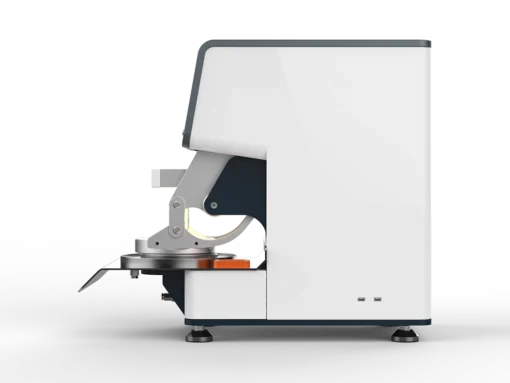
As global demand for waterproof and high-performance fabrics continues to grow, ISO 811 has become a widely accepted benchmark for hydrostatic pressure testing. It provides a scientific and standardized approach to measuring how much water pressure a fabric can withstand before leakage occurs, making it a critical tool in textile engineering and quality control systems.
ISO 811 in Hydrostatic Head Testing for Textile Performance
The ISO 811 standard is specifically designed to measure the resistance of textile fabrics to water penetration under increasing hydrostatic pressure. This method is commonly known as the hydrostatic head test, and it evaluates how much water pressure a fabric can endure before water starts passing through it.
In this test, a fabric sample is clamped securely and exposed to gradually increasing water pressure. The point at which water droplets first appear on the surface of the material is recorded as the hydrostatic pressure value. This value is usually expressed in millimeters of water column, which indicates the height of a water column the fabric can resist.
ISO 811 is widely used for testing waterproof fabrics, water-resistant coatings, laminated textiles, and membrane-based materials. It is especially important for products such as rainwear, outdoor gear, protective clothing, tents, and industrial covers where water resistance is a key performance requirement.
Because the test simulates real-world water exposure conditions, it provides reliable data that manufacturers use to evaluate product durability and performance consistency.
ISO 811 in Waterproof Fabric Evaluation and Material Testing
The ISO 811 method plays a crucial role in evaluating the waterproof performance of different textile materials. It is widely applied in industries where protection against moisture and liquid penetration is essential.
In the apparel industry, ISO 811 is used to test rain jackets, outdoor sportswear, hiking gear, and performance clothing. These products must maintain their protective function even under heavy rain or prolonged exposure to wet conditions. The hydrostatic pressure results help determine whether a fabric meets the required waterproof classification.
In technical textile applications, ISO 811 is used for testing materials such as tarpaulins, awnings, industrial covers, and geotextiles. These materials are often exposed to environmental stress, including rain, humidity, and water pressure from external sources. Accurate testing ensures that they maintain structural integrity and long-term durability.
Medical textiles also rely on ISO 811 testing. Surgical gowns, drapes, and protective medical fabrics must prevent fluid penetration to ensure hygiene and safety in healthcare environments. The hydrostatic head value obtained from ISO 811 testing helps manufacturers certify their products for medical-grade performance.
In addition, packaging materials and coated fabrics used in logistics and transportation industries are tested using ISO 811 to ensure protection against moisture damage during storage and shipping.
ISO 811 in Laboratory Testing and Quality Assurance Systems
The ISO 811 standard is an essential part of laboratory testing systems used in textile manufacturing and material research. It is often performed using a hydrostatic head tester, which applies controlled water pressure to a fabric sample until leakage occurs.
This testing method is highly valued for its accuracy and repeatability. By using standardized conditions,ISO 811 ensures that results remain consistent across different laboratories and production facilities worldwide. This makes it easier for manufacturers to compare materials and maintain uniform quality standards.
In quality assurance systems, ISO 811 is often used alongside other mechanical and physical tests such as tear strength, tensile strength, and abrasion resistance. Together, these tests provide a complete understanding of a fabric’s performance under various stress conditions.
The hydrostatic pressure value obtained from ISO 811 testing is also used to classify fabrics into different performance categories, such as water-resistant, waterproof, or highly waterproof materials. This classification is important for product labeling, marketing, and compliance with international regulations.
As textile technology continues to evolve, ISO 811 remains a fundamental testing standard that supports innovation and product development. It helps engineers design advanced materials with improved water resistance and durability, meeting the increasing demands of global markets.
ISO 811 in Industrial Applications and Material Innovation
The ISO 811 method is not limited to traditional textile testing; it also plays a significant role in industrial applications and material innovation. Modern industries require advanced materials that can perform under extreme environmental conditions, and ISO 811 provides the data needed to achieve this.
In construction and civil engineering, waterproof membranes and geotextiles are tested using ISO 811 to ensure they can withstand water pressure in underground structures, tunnels, and foundations. These materials are critical for preventing water damage and maintaining structural stability.
In the automotive and aerospace industries, ISO 811 testing is used to evaluate technical fabrics used in interiors, seat covers, and protective linings. These materials must resist moisture while maintaining comfort and durability.
Research and development teams also use ISO 811 to develop new waterproof coatings, nanotechnology-based fabrics, and high-performance synthetic materials. By analyzing hydrostatic pressure resistance, scientists can improve fabric structures and enhance water-repellent properties.
The increasing demand for multifunctional textiles has made ISO 811 an essential part of innovation in material science. It supports the development of fabrics that are not only waterproof but also breathable, lightweight, and durable.
Conclusion ISO 811 in Global Textile Testing Standards
The ISO 811 standard is a globally recognized method for measuring water resistance in textile materials through hydrostatic pressure testing. Its importance extends across multiple industries, including apparel, technical textiles, medical fabrics, packaging, and construction materials.
By providing accurate and standardized measurements, ISO 811 helps manufacturers ensure product quality, improve material performance, and meet international compliance requirements. It also plays a key role in research and development, enabling the creation of advanced waterproof and water-resistant materials.